
Posted on February 2, 2024
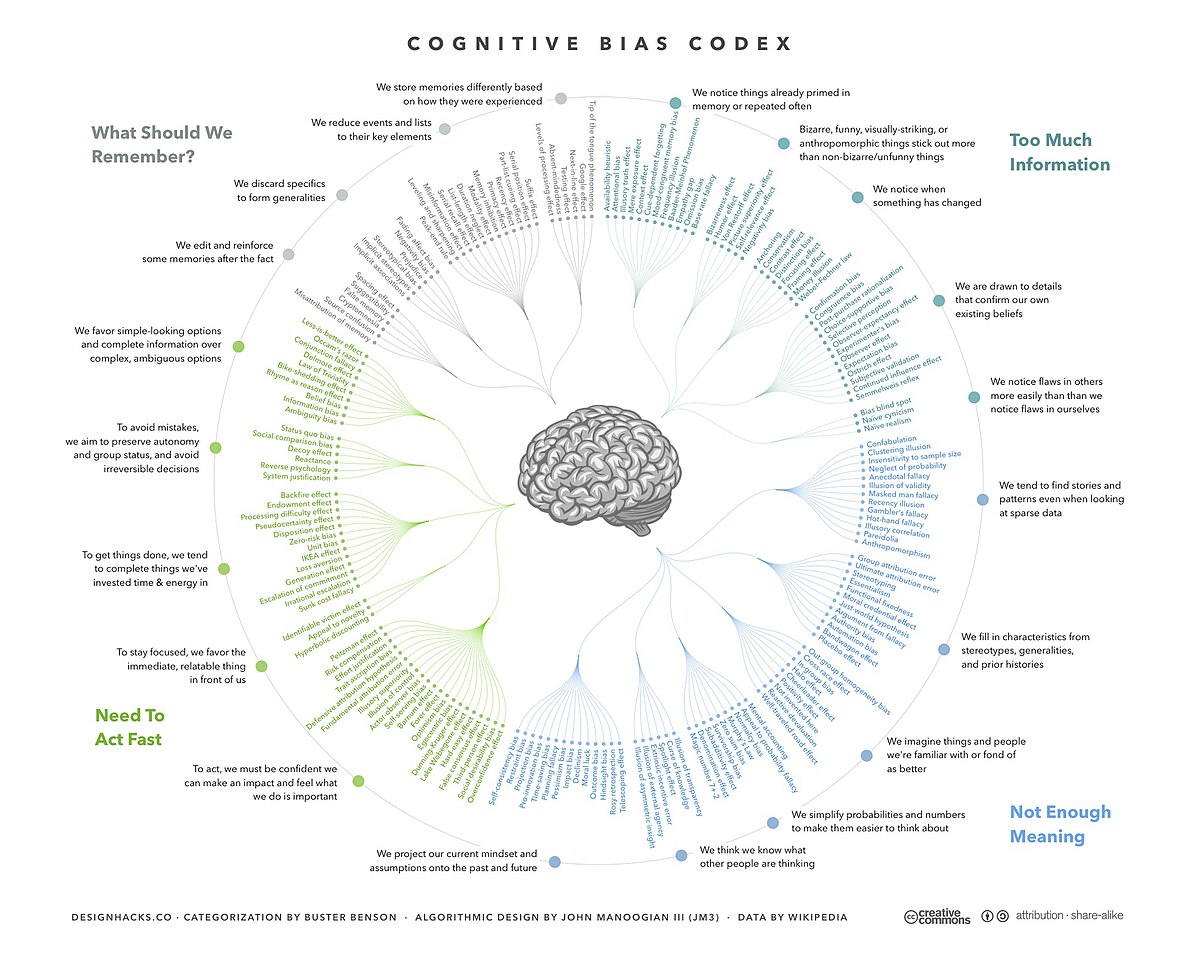
Good to read, different Cognitive biases
Posted on February 2, 2024
What is Cognitive Bias
A cognitive bias is a systematic pattern of deviation from norm or rationality in judgment. Individuals create their own “subjective reality” from their perception of the input. An individual’s construction of reality, not the objective input, may dictate their behavior in the world.
Posted on February 2, 2024
First Persian Poem Here!
صائب تبریزی » دیوان اشعار » غزلیات »
غزل شمارهٔ ۵۹۳۳
یک چشم زدن فرقت می تاب نداریم        تا شیشه به بالین نبود خواب نداریم
تا بوسه چند از لب پیمانه نگیریم        چون شیشه خالی به جگر آب نداریم
در روز حریفان دگر باده گسارند         ماییم که می در شب مهتاب نداریم
از حادثه لرزند به خود قصر نشینان         ما خانه بدوشان غم سیلاب نداریم
از نقش تو فانوس خیالی شده هر چشم         چون شمع عجب نیست اگر خواب نداریم
در دایره بی سببی نقطه محویم         هرگز خبر از عالم اسباب نداریم
آیینه ما گرد تعلق نپذیرد         ما چشم به خاکستر سنجاب نداریم
گرگان به سمورند نهان تا به گریبان         ما بی دهنان طالع سنجاب نداریم
Posted on February 2, 2024
Wow Camper Van rental with hippy style XD
I was walking down in Burnaby’s streets and saw a camper van like this 👇
It gave me such a good and weird vibe.
here’s the link.

Posted on January 30, 2024
Steps to Analysis the problems of a firm
Define the central issue
Define the firm’s goals
Identify the constraints to the problem
Identify all the relevant alternatives
Select the best alternative
Develop an implementation plan
Posted on January 30, 2024
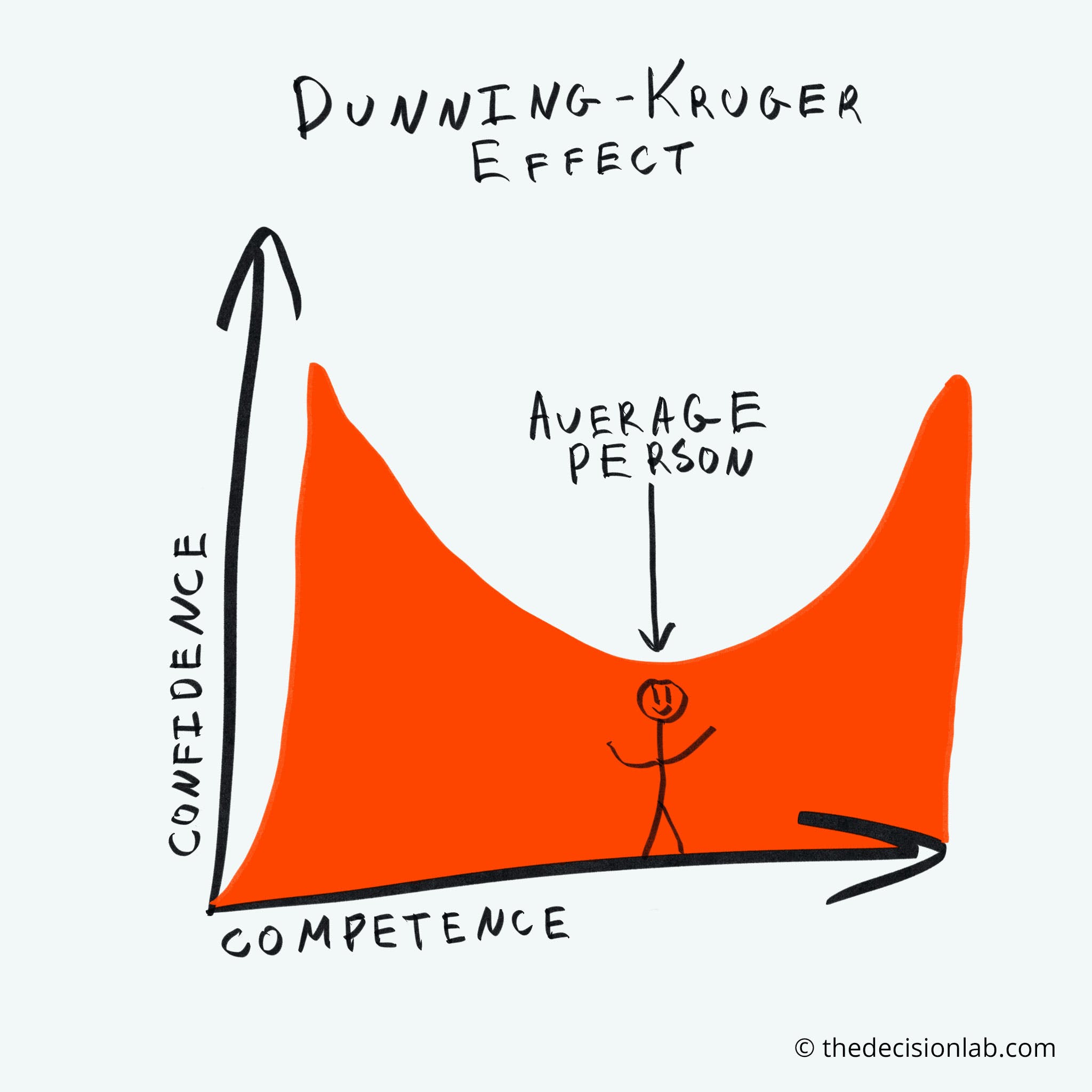
What is the Dunning-Kruger Effect?
The Dunning-Kruger effect occurs when a person’s lack of knowledge and skill in a certain area causes them to overestimate their own competence. By contrast, this effect also drives those who excel in a given area to think the task is simple for everyone, leading them to underestimate their abilities. In the years following the first description of this phenomenon, controversy has surrounded the Dunning-Kruger effect and its validity. While it was once considered a well-founded explanation of how we evaluate our abilities, the effect has since been questioned by certain data scientists and mathematicians alike.

Posted on January 29, 2024
Market research source for Canada
Are you in Canada and you want some source for market research?
here you go:
- Alliance for Audited Media
- Bank of Conado
- Canadian Marketing Association
- comScore
- eMorketer
- Euromonitor International
- Forrester Research
- GFK Group
- Government of Canada
- Innovation, Science and Economic Development Canada (formerly Industry Canada)
- Interactive Advertising Bureau of Canada
- Ipsos Canada
- Leger, The Research Intelligence Group
- Nielsen Canada
- Numeris
- Organisation for Economic Co-operation and Development(OECD)
- Pew Research Center
- SEDAR
- Solutions Research Group
- Statista
- Statistics Canada
- World Advertising Research Center
Worth Noting
Your library may have access to various online databases that can assist with research projects. Examples of these databases are Business Source Complete, CBCA Business, Canadian Newsstand, Conference Board of Canada, Factiva, LexisNexis Academic, Mergent Online, Proquest, Scott’s Canadian Business Directory, and ThompsonOne.
Posted on January 29, 2024
3 Types of Marketing Research Designs (Exploratory, Descriptive, Causal)
There are 3 types of marketing research designs, and they are: exploratory, descriptive, and casual.
Exploratory research is used in obtaining preliminary information that will help identify the problem and hypothesis. It is done to understand what is happening and why something is happening. Some of the most common methods of exploratory research are focus groups, interviews, literature research (library, newspaper, magazines, trade publication and online), and case analyses. Group interaction interview is the difference between a 1-person interview. Individuals in a focus group should match the target market or audience that the client desires to get insight from.
Descriptive research is used to identify the marketing problem and/or the potential for a market. This type of research is used to identify the characteristics of the target group or the average user of the product or service. Descriptive research will allow us to make specific predictions and notice a correlation among variables. There are 2 types of descriptive studies, and they are: cross-sectional study and a longitudinal study. A cross-sectional study involves a sample of the market population at a certain point in time. A longitudinal study involves a panel or fixed sample of element at a certain point in time. An example of a longitudinal study would involve the manufacturer, distributor, individual sores, and consumers. Any one of these elements can be replaced with another. In other words, the distributor can be of new management or the department store can a competitor.
In a longitudinal study, there are 2 types of panels, and they are: continuous panels and discontinuous panels. In most scenario, panels members are compensated in one fashion or another for their efforts. In a continuous panel, the study relies on a fixed sample of respondents who are measured repeatedly over time under the same conditions. In a discontinuous panel, the study relies on a fixed sample of respondents who are measured under various conditions over time.
Casual research is marketing research done to test a hypothesis; the cause and effect of a hypothesis. For example, causal research may be used in a business setting to quantify the effect that a change will have on its current operations, and what it will have on future production levels to assist in the business planning process.
Posted on January 28, 2024
Regulation of Muscle Glycogen Repletion, Muscle Protein Synthesis and Repair Following Exercise
Abstract
Recovery from prolonged strenuous exercise requires that depleted fuel stores be replenished, that damaged tissue be repaired and that training adaptations be initiated. Critical to these processes are the type, amount and timing of nutrient intake. Muscle glycogen is an essential fuel for intense exercise, whether the exercise is of an aerobic or anaerobic nature. Glycogen synthesis is a relatively slow process, and therefore the restoration of muscle glycogen requires special considerations when there is limited time between training sessions or competition. To maximize the rate of muscle glycogen synthesis it is important to consume a carbohydrate supplement immediately post exercise, to continue to supplement at frequent intervals and to consume approximately 1.2 g carbohydrate·kg-1 body wt·h-1. Maximizing glycogen synthesis with less frequent supplementation and less carbohydrate can be achieved with the addition of protein to the carbohydrate supplement. This will also promote protein synthesis and reduce protein degradation, thus having the added benefit of stimulating muscle tissue repair and adaptation. Moreover, recent research suggests that consuming a carbohydrate/protein supplement post exercise will have a more positive influence on subsequent exercise performance than a carbohydrate supplement.
Key Points
- For rapid recovery from prolonged exercise, it is important to replenish muscle glycogen stores and initiate muscle tissue repair and adaptation.
- To maximize muscle glycogen replenishment, it is important to consume a carbohydrate supplement as soon after exercise as possible.
- Consume the carbohydrate frequently, such as every 30 minutes, and provide about 1.2 to 1.5 g of carbohydrate·kg-1 body wt·h-1.
- Efficiency of muscle glycogen storage can be increased significantly with the addition of protein to a carbohydrate supplement (~4 to 1 carbohydrate to protein ratio).
- The addition of protein to a carbohydrate supplement also has the added advantage of limiting post exercise muscle damage and promoting muscle protein accretion.
Key Words: Carbohydrate, nutrients, insulin, glucose, amino acids
Read More